
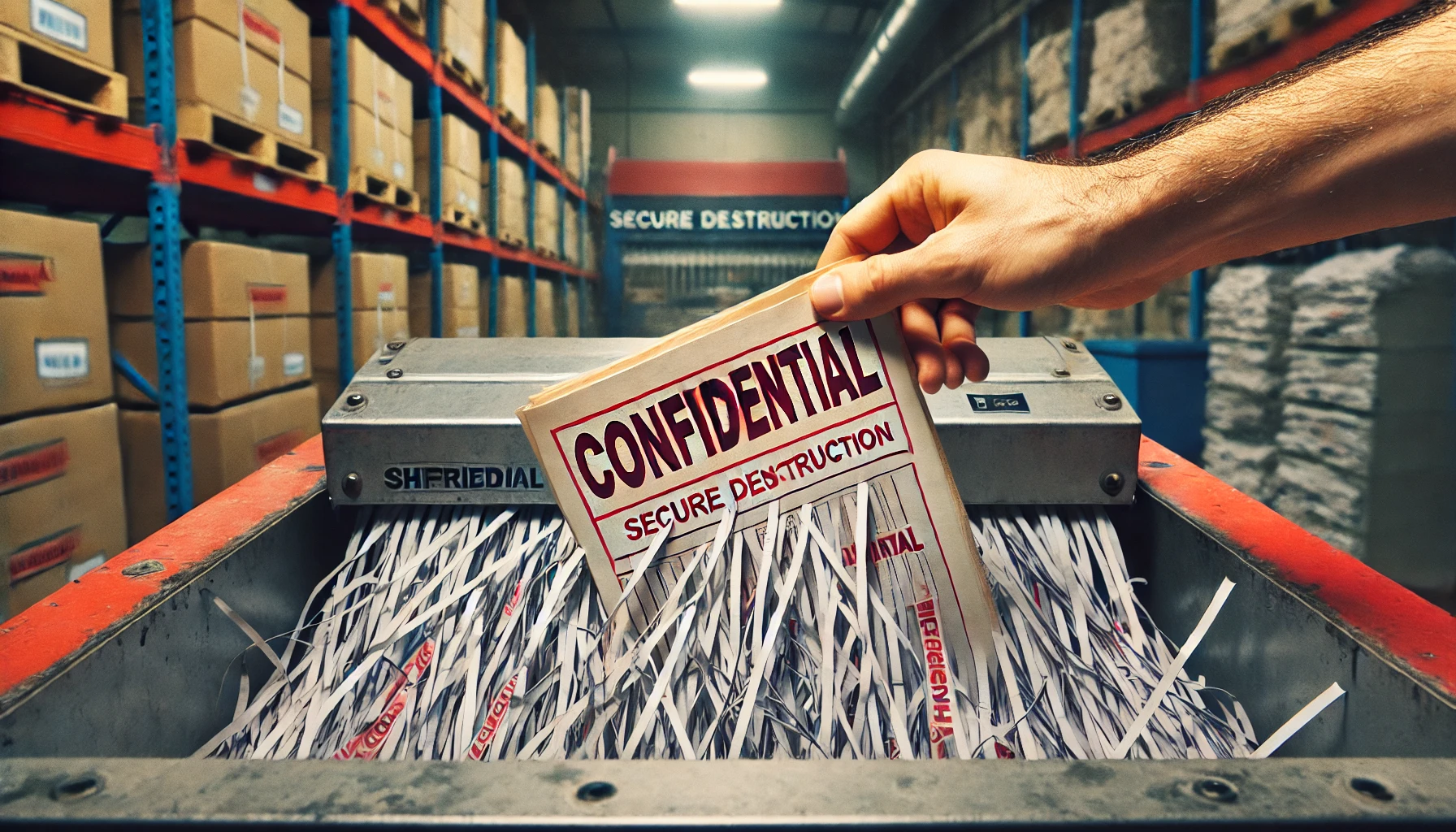

Law firms hold some of the most sensitive information there is, including client affairs, financial records, court papers and personal data. If these documents are thrown away carelessly, the damage to clients and to the firm can be serious.
This guide explains why confidentiality matters, how long legal files should be kept and the risks of improper document disposal.
It also covers how to shred legal documents step by step, the benefits of a professional shredding service and simple ways to keep client information confidential.
Use it to make sure your firm’s document disposal is secure and compliant.
The Significance of Confidentiality in Legal Documents
Confidentiality is the foundation of trust between a lawyer and a client. Clients share private information because they know it will be protected. With identity theft and data breaches on the rise, keeping legal documents confidential protects your clients and keeps your firm within the law.
Strong data protection shows clients that your firm takes their privacy seriously. Every member of staff should handle client files with care, from the day they are opened until the day they are destroyed.
Why Confidentiality Matters in Legal Settings
For solicitors, confidentiality is a professional duty, not just good practice. The SRA Code of Conduct requires you to keep the affairs of current and former clients confidential.
This duty allows clients to speak openly, knowing their information will not be shared.
If confidentiality is broken, the consequences can be severe. Firms and individual solicitors can face SRA investigations, fines and, in serious cases, being struck off. Under UK GDPR, a breach involving personal data can also lead to fines from the ICO.
Even a single misplaced file can damage a firm’s reputation and the trust clients place in it.
The Risks of Improper Document Disposal
Throwing legal documents in a general bin, or leaving them in unsecured storage, puts your firm at risk of data breaches, identity fraud and legal claims.
Paper files can be taken from bins, lost in office moves or left behind in storage. Any of these can expose confidential client information.
Every firm needs a clear process for when and how documents are destroyed. A written shredding policy, backed by secure data disposal practices, protects both your clients and your practice.
Potential Consequences of Mishandling Legal Documents
Mishandling legal documents can lead to regulatory action, data breaches and claims from affected clients.
For example, if a firm leaves client files in an unlocked skip, it may face an ICO investigation, a complaint to the SRA and claims from the clients involved. Real data breach cases show how quickly the damage can spread, and how costly it can be.
The effects reach every part of the firm, from lost clients and higher insurance premiums to lasting damage to its reputation.
Methods of Document Destruction
There are several ways to destroy legal documents. The right method depends on how much paper you have and how sensitive it is. Many firms choose between on-site and off-site shredding.
Digital files need secure deletion too, but this guide focuses on paper records, which still make up a large share of most firms’ confidential waste.
Understanding the options helps you choose a method that is secure, compliant and environmentally responsible.
Comparing Different Document Shredding Techniques
Not all shredders offer the same level of security. When choosing a method, consider how small the pieces are, how much paper you need to shred and whether the paper is recycled. See our document shredding service.
- Strip-cut shredders cut paper into long strips that can be pieced back together. They are not suitable for legal documents.
- Cross-cut shredders cut paper into small pieces that are much harder to rebuild.
- Micro-cut and industrial shredders cut paper into tiny particles, offering the highest level of security.
The ICO expects organisations to use appropriate security measures, including when they dispose of personal data. For legal documents, that means cross-cut shredding at a minimum, and ideally professional shredding to a recognised standard such as BS EN 15713.
Professional shredding also means all shredded paper is recycled, which supports your firm’s environmental goals.
The Process of Legal Document Shredding
Legal document shredding should follow a clear, recorded process with a secure chain of custody from start to finish. This proves that every file was destroyed safely.
Each step, from collection to destruction, should be recorded, and you should receive a certificate of destruction at the end.
A clear process protects client information, supports your compliance obligations and gives you evidence if your firm is ever audited.
Step-by-Step Guide to Properly Shredding Legal Documents
Follow these steps to shred legal documents safely, using a reliable shredding service:
- Check the retention period. Before destroying a file, make sure it has passed its retention date (see the guide below).
- Confirm nothing must be kept. Remove original wills, deeds and any documents the client has asked you to return.
- Record what is being destroyed. Log the client name, matter number and destruction date.
- Store files securely. Place them in locked shredding consoles until collection.
- Shred securely. Use a professional service, on-site or off-site.
- Keep the certificate of destruction. File it with your destruction log.
How long should law firms keep files? There is no single rule, but these are widely used guides:
- Client matter files: at least 6 years after the matter closes. This matches the 6-year limitation period for most contract and negligence claims under the Limitation Act 1980. Many firms keep higher-risk files, such as conveyancing, for up to 15 years, because of the longstop period for some negligence claims.
- Matters involving deeds: at least 12 years, the limitation period for claims under a deed.
- Accounting records: at least 6 years, as required by Rule 13.1 of the SRA Accounts Rules.
- Anti-money laundering records: at least 5 years after the business relationship ends, under regulation 40 of the Money Laundering Regulations 2017.
- Original wills and deeds: keep them safe until they are needed or returned. Never destroy them as part of routine shredding.
Under UK GDPR, you should not keep personal data longer than you need it. Set out your retention periods in a written policy, train staff on it and book regular shredding days so that files are destroyed on time.
Benefits of Professional Document Shredding Services
A professional shredding service destroys legal documents securely, reduces your risk and gives you written proof of destruction.
Advantages of Outsourcing Document Destruction
Outsourcing document destruction lowers your firm’s risk and frees up staff time. A professional provider reduces the chance of a data breach, which could lead to fines, claims and lost clients.
Providers use industrial shredders, vetted staff and a secure chain of custody. They also keep up to date with UK data protection rules and give you a certificate of destruction for every job. See our guide to GDPR and shredding certifications.
This lets your fee earners focus on client work while document disposal is handled by specialists.
Ensuring Compliance with Legal Regulations
Law firms must follow clear rules on how long to keep documents and how to destroy them. These rules shape your firm’s retention and shredding policies.
Understanding Relevant Laws and Regulations
The main rules on legal document disposal are about protecting data privacy and keeping proper records.
These rules are not just paperwork. They are the basis of your firm’s data protection approach. In the UK, the key rules for law firms are:
- UK GDPR and the Data Protection Act 2018: keep personal data secure and don’t keep it longer than necessary. Read more about the General Data Protection Regulation.
- SRA Standards and Regulations: keep client affairs confidential and keep accounting records for at least 6 years.
- Money Laundering Regulations 2017: keep due diligence records for at least 5 years after the relationship ends.
Breaking these rules can lead to fines, regulatory action and damage to your reputation.
Review your retention and shredding practices regularly to make sure they stay compliant. See how on-site shredding supports compliance.
Best Practices for Maintaining Confidentiality
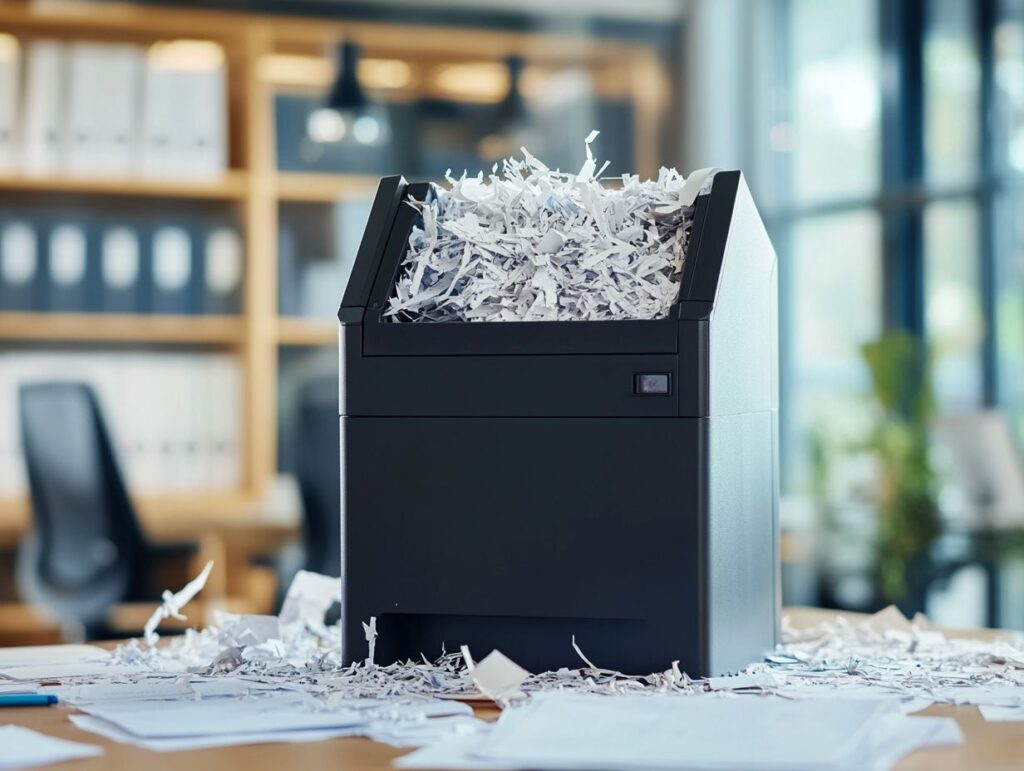
Keeping client information confidential takes good habits across the whole firm. A few simple practices greatly reduce the risk of a breach.
Tips for Safeguarding Sensitive Legal Information
Protecting legal information depends on trained staff, secure storage and a clear process for destroying files.
Every member of staff, including trainees, secretaries and reception teams, should know how to handle confidential documents, both on paper and on screen. This helps prevent potential breaches.
- Keep paper files in locked cabinets or secure rooms
- Use locked shredding consoles instead of open recycling bins
- Clear desks at the end of each day
- Encrypt digital files and restrict access to those who need it
- Encourage staff to report lost files or suspicious activity straight away
Making security part of everyday work builds trust with clients and protects your firm.
Frequently Asked Questions
What is the importance of legal document shredding for confidentiality?
Legal document shredding is crucial for maintaining confidentiality in sensitive matters. It ensures that private information is not accessible to unauthorized individuals or entities, preventing potential data breaches and legal repercussions.
Can’t we just dispose of legal documents in a regular trash bin?
No, disposing of legal documents in a regular trash bin is not secure. It leaves the documents vulnerable to theft and can compromise the confidentiality of the information contained within them. Shredding is the only foolproof way to ensure complete destruction of sensitive documents.
What are the potential consequences of not shredding legal documents?
Not shredding legal documents can result in a breach of confidentiality, leading to identity theft, fraud, and legal consequences. It can also damage the reputation and trust of individuals and organizations involved in the matter.
How often should legal document shredding be done?
The frequency of legal document shredding depends on the volume of documents being generated and the sensitivity of the information. It is recommended to shred documents on a regular basis, at least once every quarter, to stay on top of document disposal and maintain confidentiality.
Is legal document shredding environmentally friendly?
Yes, legal document shredding is an environmentally friendly option for disposing of paper documents. The shredded paper is often recycled, reducing the amount of waste in landfills and promoting sustainability.
Can professional shredding services ensure confidentiality?
Yes, professional shredding services have protocols in place to ensure the confidentiality of documents. They use secure shredding methods and have strict chain-of-custody procedures to protect sensitive information from falling into the wrong hands.